
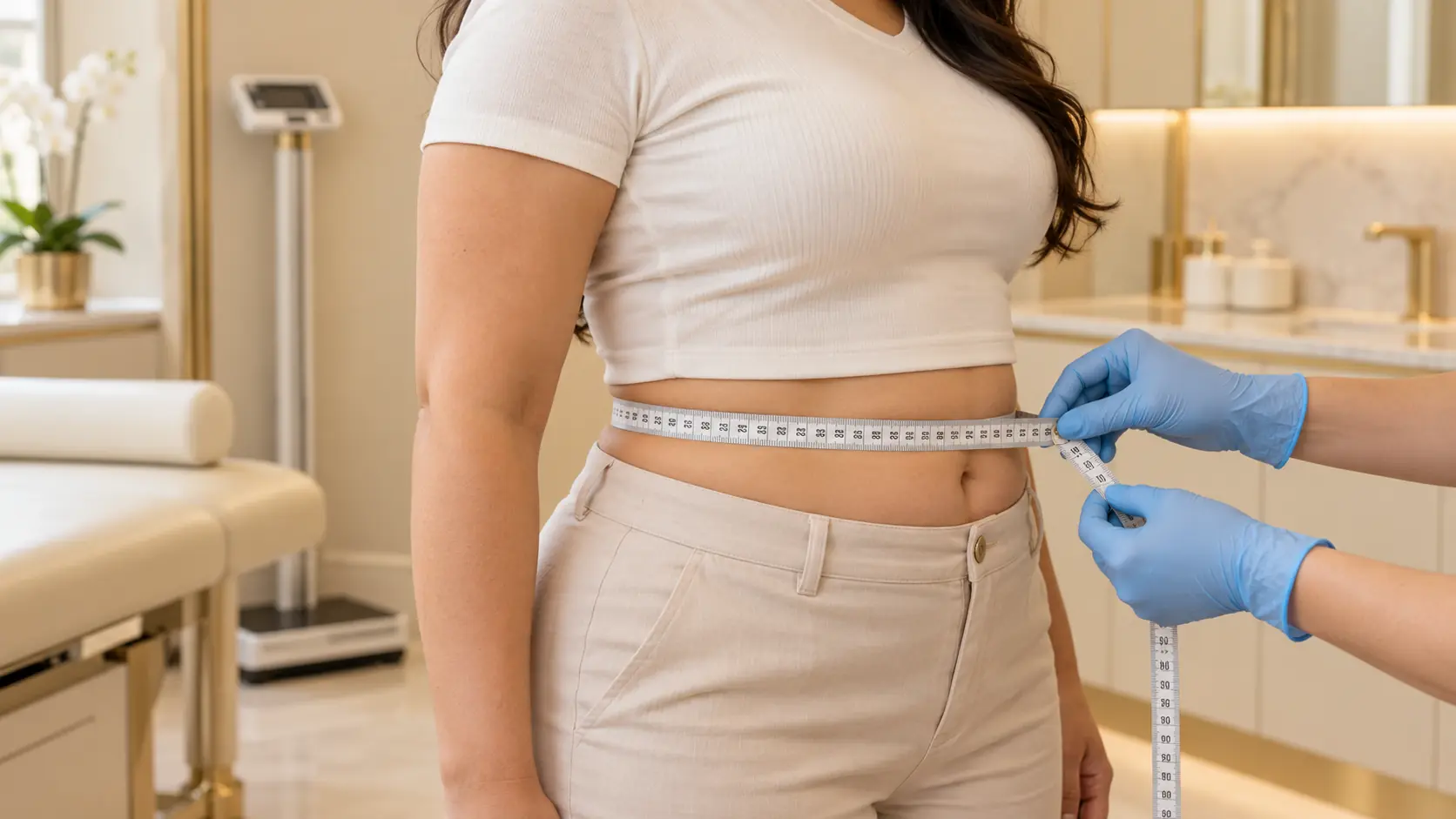
Non-surgical weight loss in Dubai offers a medically guided way to manage excess weight without bariatric surgery. Instead of relying on restrictive diets or quick fixes, a structured programme considers your health, eating habits, activity level, lifestyle, and personal goals.
Depending on your needs, the plan may include obesity management, personalized nutrition, lifestyle changes, regular follow-up, and prescription treatment when medically appropriate. Body slimming and Endolift may also help with selected aesthetic concerns, although their purpose differs from overall weight loss.
Your goal determines the right approach: weight-management programmes address overall body weight, while body-contouring treatments focus on localized fat, skin firmness, and body shape.
Table of Contents
What Is Non-Surgical Weight Loss?
Non-surgical weight loss includes methods that help reduce and manage body weight without an operation. A programme may combine:
- Personalized nutrition
- Lifestyle and behavioural changes
- Physical activity
- Professional monitoring
- Medical obesity management
- Prescription medication when appropriate
The process usually begins with an individual assessment. Your healthcare professional may review your medical history, current medications, eating habits, activity, sleep, previous weight-loss attempts, and personal goals.
Measurements such as weight, body mass index, waist circumference, and other health indicators may also be considered. Additional tests may be recommended when clinically necessary.
Why a Personalized Weight-Loss Plan Matters
Weight is affected by more than food alone. Medical conditions, medications, hormones, sleep, stress, age, activity, environment, and previous dieting experiences may influence progress.
A plan should therefore reflect your:
- Current health and weight history
- Eating and drinking habits
- Work and family routine
- Activity level
- Cultural food preferences
- Previous weight-loss challenges
- Short-term and long-term goals
The National Institute of Diabetes and Digestive and Kidney Diseases recommends choosing a programme that includes realistic goals, an appropriate eating plan, physical activity, behavioural support, progress monitoring, and a strategy for maintaining results.
Non-Surgical Weight Loss in Dubai: Main Options
1. Personalized Diet Plans
A personalized diet plan is a central part of non-surgical weight loss in Dubai. It should help create a manageable calorie deficit while still providing the nutrients your body needs.

A practical plan may help you:
- Understand appropriate portion sizes
- Choose satisfying sources of protein and fibre
- Reduce excess calories from snacks and drinks
- Plan balanced meals
- Make better choices when dining out
- Organize meals around a busy schedule
- Develop habits that can continue long term
A suitable plan does not need to eliminate entire food groups or depend on extreme restrictions. According to the World Health Organization, a healthy diet should provide adequacy, balance, moderation, and variety. Its composition should also reflect individual needs, activity levels, culture, and locally available foods.
2. Lifestyle and Behavioural Support
Knowing what to eat is only one part of weight management. Stress, poor sleep, emotional eating, long working hours, and inconsistent routines can make it difficult to follow a plan.
Lifestyle support may include:
- Setting realistic and measurable goals
- Planning meals before busy days
- Recognizing emotional or stress-related eating
- Improving sleep routines
- Tracking food and activity
- Preparing for weekends and social events
- Managing setbacks without abandoning the programme
Regular follow-up helps identify difficulties and adjust the programme as your needs change.
3. Physical Activity
Physical activity supports cardiovascular health, fitness, mood, muscle strength, and weight maintenance. The right type and intensity depend on your health, mobility, experience, and preferences.
Adults are generally advised to work toward at least 150 minutes of moderate-intensity aerobic activity per week, along with muscle-strengthening activity on at least two days. Some people may need to begin gradually or receive individual guidance first.
Possible activities include brisk walking, cycling, swimming, strength exercises, and short periods of movement throughout the day. Exercise works best alongside appropriate nutrition, sleep, and lifestyle changes.
4. Medically Supervised Weight Management
Some people find it difficult to lose weight despite consistent lifestyle changes. In selected cases, a licensed doctor may consider prescription weight-management medication as part of a wider programme.
Medication is not suitable for everyone. Eligibility depends on medical history, body mass index, weight-related health conditions, current medications, possible side effects, and local prescribing requirements.
When prescribed, medication should be supported by:
- Appropriate nutrition
- Regular activity
- Medical monitoring
- Follow-up appointments
- A long-term maintenance strategy
The NIDDK advises discussing the possible benefits and risks of weight-management medicines with a qualified healthcare professional before starting treatment.
Weight Loss vs Body Slimming: What Is the Difference?
Weight loss and body slimming have different goals.
| Approach | Main purpose | How progress is measured |
|---|---|---|
| Obesity management | Reduce and manage overall body weight | Weight, waist measurement, habits, and health indicators |
| Personalized diet plan | Improve nutrition and support sustainable weight loss | Weight trends, dietary habits, and progress toward personal goals |
| Body slimming and tightening | Improve specific areas and body contour | Circumference, shape, firmness, and clinical photographs |
| Endolift | Address selected areas of localized fat and skin laxity | Contour, skin firmness, and tissue response |
Body-contouring procedures may help reduce small areas of fat or improve the appearance of treated areas. However, the U.S. Food and Drug Administration explains that non-invasive body contouring does not treat obesity or provide the health benefits associated with actual weight loss.
Someone who wants significant overall weight reduction needs a structured weight-management programme. Someone with relatively stable weight who is concerned about a specific area may be considered for body slimming or tightening.
Where Does Endolift Fit?
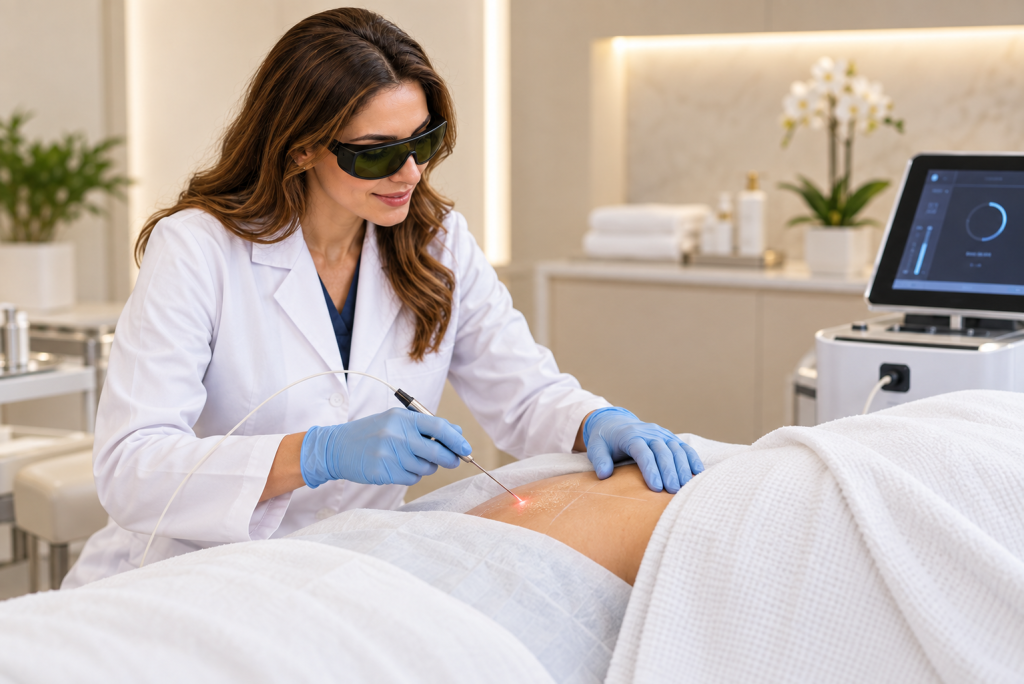
Endolift is a minimally invasive laser treatment used for tissue remodelling. It delivers laser energy through a fine optical microfibre beneath the skin and may support:
- Skin tightening
- Collagen stimulation
- Improved tissue firmness
- Reduction of excess fat in suitable areas
- Better definition of selected contours
The official Endolift website describes the treatment as an option for remodelling superficial and deeper skin layers, stimulating new collagen, tightening connective tissue, and reducing excess fat when necessary.
Endolift is not a treatment for obesity or substantial overall weight loss. Its role depends on the treatment area, tissue quality, amount of localized fat, and individual goals. A professional consultation is necessary to determine whether Endolift or another body treatment is more suitable.
Benefits of Non-Surgical Weight Loss
A carefully planned non-surgical programme may provide several benefits.
Personalized Care
Recommendations can be adapted to your health, schedule, food preferences, challenges, and goals.
No Surgical Recovery
Lifestyle-based and medical weight-management options do not require bariatric surgery or surgical recovery. Individual treatments may still have risks or side effects that should be discussed during consultation.
Support for Better Health
Even modest weight loss may improve blood pressure, cholesterol, and blood sugar in some people. The CDC notes that gradual weight loss of approximately 1 to 2 pounds per week, or around 0.5 to 1 kilogram, is more likely to be maintained than faster weight loss.
Regular Monitoring
Follow-up appointments allow progress to be reviewed and the programme to be adjusted when necessary.
Sustainable Habits
A structured programme can help develop realistic habits involving food, movement, sleep, stress management, and self-monitoring.
Support for Body-Shape Concerns
When appropriate, body slimming, tightening, or Endolift may complement weight management by addressing specific areas after the overall goal has been clearly identified.
What to Expect From Your Programme
Initial Consultation
During the first appointment, you may discuss your:
- General health
- Weight history
- Eating habits
- Activity level
- Sleep and stress
- Current medications
- Previous weight-loss attempts
- Main treatment goals
This consultation helps distinguish between overall weight-management needs and concerns involving localized fat or skin laxity.
Personalized Treatment Plan
Your programme may include nutritional guidance, lifestyle goals, suitable physical activity, progress monitoring, and medical care when required.
Before beginning, you should understand:
- What the programme includes
- Why each recommendation was selected
- How progress will be measured
- How often follow-up is needed
- What results are realistic
- Whether any risks or side effects apply
Progress and Results
Results vary according to starting weight, health, consistency, sleep, stress, activity, and treatment type.
For some adults, an initial reduction of approximately 5% to 10% of starting weight within six months may be a realistic goal. Individual goals and timelines should always be set with a healthcare professional.
Body slimming and Endolift results are assessed differently. Changes may appear in the contour, circumference, or firmness of a treated area without a significant change on the scale.
Maintaining Your Results
Weight maintenance should be considered from the beginning. Helpful long-term strategies may include:
- Following a realistic eating pattern
- Staying physically active
- Maintaining regular sleep
- Monitoring progress
- Planning for travel and social occasions
- Continuing follow-up when needed
- Seeking support early if weight begins to return
- Avoiding extreme diets that cannot be maintained
A flexible plan that fits everyday life is usually easier to continue than a highly restrictive programme.
How Derma One Sparkle Can Support Your Goals
At Derma One Sparkle Medical Center, the available services allow treatment to be selected according to your individual goal.
- Obesity Management: Guided programmes combining nutrition, lifestyle changes, and professional supervision.
- Personalized Diet Plans: Nutrition plans tailored to individual needs, goals, and body type.
- Body Slimming & Tightening: Treatments designed to support localized fat reduction, firmness, and body contour.
- Endolift: A minimally invasive laser option that may be considered for selected areas of localized fat and skin laxity.
A consultation helps determine which service is appropriate and whether a combined approach may support your goals.
Frequently Asked Questions
How does non-surgical weight loss in Dubai work?
It usually combines personalized nutrition, lifestyle changes, physical activity, regular monitoring and medical treatment when appropriate. The exact programme depends on the individual’s health, weight history and goals.
What is the best non-surgical weight-loss option?
There is no single option that suits everyone. The right plan depends on your health, starting weight, eating habits, lifestyle, medications, previous attempts, and goals.
Does body slimming reduce weight on the scale?
Body slimming focuses on the contour of specific areas. You may notice changes in measurements, shape, or clothing fit without a significant reduction in total body weight.
Are weight-loss medications suitable for everyone?
No. Prescription weight-management medication is intended for selected patients following medical assessment. The potential benefits, risks, contraindications, and need for follow-up must be considered.
Can I combine a diet plan with body slimming treatments?
Yes, when clinically appropriate. A personalized diet plan can support overall weight management, while body slimming may address a specific area. The combination and timing should be determined during consultation.
Begin With the Right Assessment
Non-surgical weight loss in Dubai can provide a structured and personalized path toward a healthier weight. The plan may combine obesity management, tailored nutrition, lifestyle support, and medical care based on individual needs.
For localized fat or skin laxity, body slimming and Endolift may provide additional options after the treatment goal has been clearly identified.
Book a consultation at Derma One Sparkle Medical Center in Dubai to receive a plan based on your health, lifestyle, and individual goals.
This article provides general educational information and does not replace an individual medical consultation.
1 Comment
[…] guide to non-surgical weight loss in Dubai explains these approaches and how they differ from cosmetic contouring […]