

Healthy, radiant skin often depends on consistent cleansing, hydration, sun protection, and treatments that suit your individual skin needs. Hydrafacial in Dubai has become a popular non-invasive facial option because it combines cleansing, exfoliation, extraction, and hydration in one treatment.
The treatment is designed to refresh the skin without the aggressive exfoliation or longer recovery time associated with some other procedures. It may be particularly appealing in Dubai, where heat, sun exposure, air conditioning, makeup, and environmental factors can contribute to dehydration, congestion, and dull-looking skin.
At Derma One, Hydrafacial treatments can be customized according to your skin type, concerns, and goals.
Table of Contents
What Is a Hydrafacial?
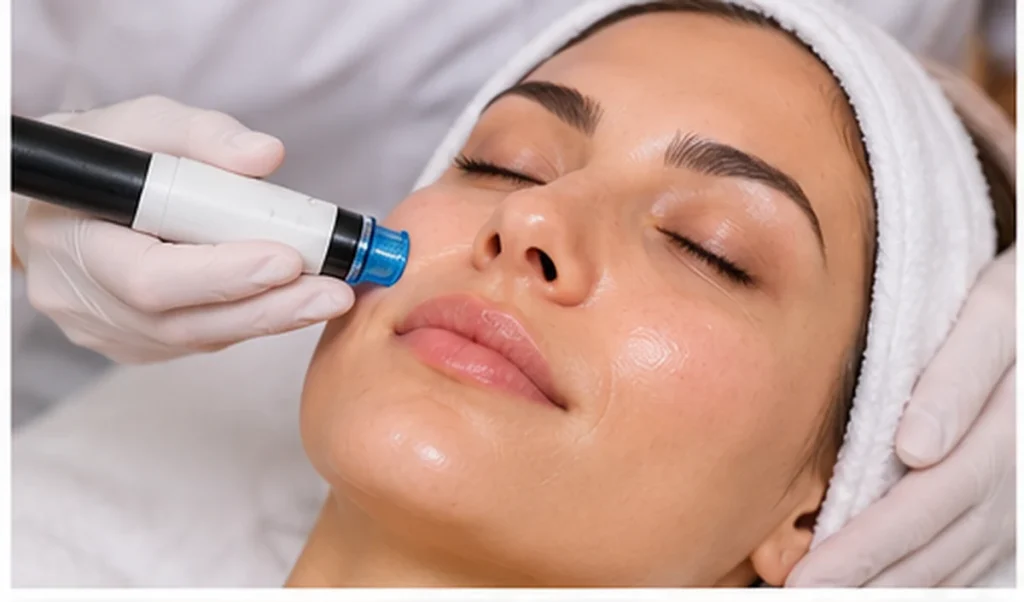
A Hydrafacial is a non-invasive facial treatment that uses a specialized device to cleanse, exfoliate, remove impurities, and deliver hydrating serums to the skin.
The official Hydrafacial system uses its Vortex-Fusion technology to combine these steps in a continuous treatment. Depending on the protocol, additional options such as boosters, LED light therapy, and lymphatic drainage may also be included.
Unlike a traditional facial that may rely mainly on manual cleansing and extraction, Hydrafacial uses controlled suction and specialized tips to treat the skin in a more systematic way.
How Does Hydrafacial Work?
A Hydrafacial treatment generally includes several key stages.
1. Cleansing
The skin is first cleansed to remove surface oil, makeup residue, and daily impurities.
This prepares the skin for the following steps and allows the treatment to work more evenly.
2. Gentle Exfoliation
The treatment removes dead skin cells from the surface of the skin to improve texture and brightness.
Exfoliation should always be chosen carefully according to skin type. Dermatologists note that excessive or unsuitable exfoliation may cause redness, dryness, or irritation, especially in sensitive skin.
3. Pore Extraction
The device uses controlled suction to help remove oil, debris, and congestion from the pores.
This can be useful for people who experience clogged pores, blackheads, or an uneven skin texture.
4. Hydration and Serum Infusion
Hydrating and nourishing serums are then delivered to the skin.
These formulas may include ingredients selected to support hydration, radiance, texture, or other specific skin concerns.
5. Optional Add-Ons
Depending on your treatment plan, a Hydrafacial session may also include:
- LED light therapy
- Customized boosters
- Lymphatic drainage
- Additional hydration steps
The exact combination should be selected according to your skin condition and goals.
Benefits of Hydrafacial in Dubai
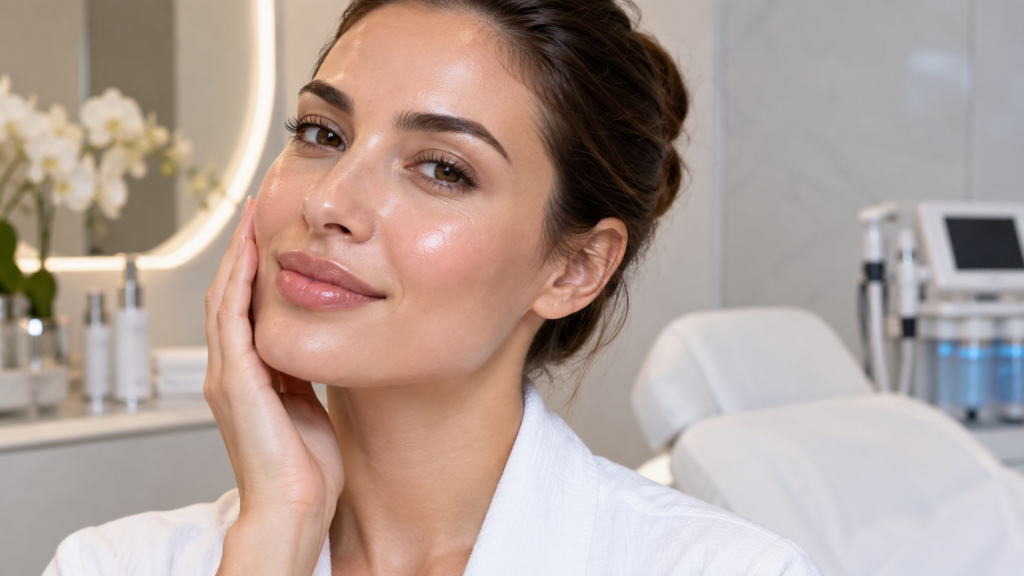
A Hydrafacial can address several common skin concerns at the same time.
Deep Cleansing
Daily sunscreen, makeup, sweat, oil, and environmental debris can build up on the skin.
Hydrafacial helps remove surface buildup and pore congestion while maintaining a gentle approach.
Improved Hydration
Hydration is especially important in Dubai because frequent exposure to air conditioning, heat, and sun may leave the skin feeling dry or tight.
The treatment includes a hydration stage designed to leave the skin feeling smoother and more comfortable.
If dryness is one of your main concerns, you may also find our guide to Dry Skin Treatment in Dubai useful.
Brighter, More Radiant Skin
Removing dead skin cells and improving surface hydration can make the complexion appear fresher and more luminous.
This is one reason many people choose Hydrafacial before an event or as part of a regular skin-care routine.
Smoother Skin Texture
Gentle exfoliation and hydration may help improve the appearance of rough or uneven skin texture.
Cleans Congested Pores
Hydrafacial extraction can help reduce the buildup of oil and debris in clogged pores.
This may be beneficial for some people with oily or congestion-prone skin.
Suitable for Different Skin Concerns
Hydrafacial treatments can often be customized for concerns such as:
- Dehydrated skin
- Dullness
- Uneven skin texture
- Congested pores
- Fine lines
- Mild redness
- Oily skin
However, the most suitable protocol depends on your skin type and sensitivity.
Who Is Hydrafacial Suitable For?
Hydrafacial in Dubai may be suitable for people looking for a gentle treatment that combines cleansing, exfoliation and hydration.
It can be considered by people with:
- Dry or dehydrated skin
- Oily or congested skin
- Dull-looking skin
- Uneven texture
- Visible pores
- Mild fine lines
- Skin that needs a hydration boost
People with sensitive skin may still be able to have a customized facial, but the exfoliation level, active ingredients, and suction intensity should be adjusted carefully.
If your skin reacts easily to products or treatments, read our guide to Sensitive Skin in Dubai: Causes, Triggers & Care Guide before choosing stronger exfoliating procedures.
Is Hydrafacial Good for Sensitive Skin?
It can be, but not every sensitive skin condition should be treated in exactly the same way.
The American Academy of Dermatology advises that people with sensitive skin can experience stinging or burning after certain products and may need gentler exfoliation methods.
Before treatment, tell your provider if you have:
- Active irritation
- A skin rash
- Open wounds
- Sunburn
- Active dermatitis
- A recent strong peel
- Severe sensitivity
- Recent use of irritating skin products
The treatment settings can then be adjusted or postponed if necessary.
Hydrafacial for Oily and Congested Skin
Oily skin can still become dehydrated, and aggressive cleansing can sometimes make the skin feel even more unbalanced.
Hydrafacial combines pore cleansing with hydration, which may make it useful for people who want to improve congestion without leaving the skin feeling excessively stripped.
The treatment may help with:
- Excess surface oil
- Blackheads
- Congested pores
- Dullness
- Uneven texture
For active or persistent acne, however, Hydrafacial should not automatically replace a medical acne treatment plan.
Hydrafacial for Dry and Dehydrated Skin
Dry skin and dehydrated skin are not always the same.
Dry skin usually produces less natural oil, while dehydrated skin lacks water and may affect almost any skin type.
Hydrafacial focuses strongly on hydration, which can be helpful for skin that feels:
- Tight
- Rough
- Dull
- Flaky
- Tired-looking
Dermatologists also recommend regular moisturizing and gentle skin care for dry skin rather than excessive exfoliation.
What Does Hydrafacial Feel Like?
Most people describe the treatment as comfortable.
You may feel:
- Light suction
- A cooling sensation
- Mild exfoliation
- Gentle movement of the device across the face
The treatment is generally not designed to feel painful.
If you feel burning, sharp discomfort, or strong irritation during any facial procedure, you should tell your provider immediately.
How Long Does a Hydrafacial Take?
A standard Hydrafacial can often be completed in around 30 to 60 minutes, depending on the protocol and any additional steps.
The official Hydrafacial brand notes that some treatments can be completed in as little as approximately 30 minutes.
Is There Downtime After Hydrafacial?
One of the main reasons people choose Hydrafacial is the limited downtime.
Many people can return to their normal daily activities shortly after treatment.
The skin may look immediately fresher and more hydrated, although mild temporary redness can occur in some individuals, especially those with sensitive skin.
What Should You Expect After Treatment?
Immediately after a Hydrafacial, the skin may feel:
- Smoother
- Softer
- Cleaner
- More hydrated
- More radiant
Individual results vary according to:
- Skin type
- Existing skin concerns
- Home skin-care routine
- Sun exposure
- Treatment settings
- Frequency of treatment
Hydrafacial should be viewed as part of an overall skin-care plan rather than a replacement for daily cleansing, moisturizing, and sun protection.
Hydrafacial Aftercare
After Hydrafacial in Dubai, following a gentle aftercare routine can help keep the skin comfortable and hydrated.
Keep the Skin Hydrated
Use a moisturizer suitable for your skin type to support your skin barrier.
Avoid Over-Exfoliating
Avoid immediately combining multiple exfoliating acids, scrubs, or strong active ingredients unless your practitioner recommends them.
Over-exfoliation can contribute to redness and irritation.
Use Sunscreen
Sun protection is especially important after exfoliating treatments.
The American Academy of Dermatology recommends choosing a broad-spectrum sunscreen with SPF 30 or higher, and water resistance when appropriate.
You can also read our guide to Sun Protection in Dubai | Why SPF Is Non-Negotiable All Year for more information about protecting your skin in the UAE climate.
Avoid Harsh Products
For the first day or two, your provider may recommend temporarily avoiding:
- Strong retinoids
- Strong acids
- Harsh scrubs
- Irritating products
The exact aftercare depends on your skin and the strength of your treatment.
How Often Should You Get a Hydrafacial?
The ideal frequency of Hydrafacial in Dubai depends on your skin type, concerns and treatment goals.
Some people choose Hydrafacial occasionally before an event, while others include it in a regular skin-care plan.
The best interval depends on:
- Your skin type
- Your concerns
- Your home routine
- Other treatments you receive
- Your provider’s assessment
More frequent treatment is not necessarily better. The goal is to support healthy skin without unnecessary irritation.
Hydrafacial vs Traditional Facial
Both treatments can support skin care, but they are different.
A traditional facial may involve:
- Manual cleansing
- Steam
- Manual extraction
- Massage
- Masks
- Skin-care products
Hydrafacial uses a device-based system that combines exfoliation, extraction, and serum delivery.
Neither option is automatically better for everyone. The right choice depends on your skin and goals.
Hydrafacial vs Chemical Peel
Hydrafacial and chemical peels can both improve skin texture and brightness, but they work differently.
A Hydrafacial generally provides gentler cleansing, extraction, and hydration.
A chemical peel uses acids at varying strengths to remove layers of damaged or dead skin.
Stronger chemical peels may involve more downtime and irritation than a standard Hydrafacial.
Hydrafacial vs RF Microneedling
Hydrafacial mainly focuses on surface cleansing, exfoliation, hydration, and radiance.
RF Microneedling, by contrast, works deeper in the skin and is often used for concerns such as acne scars, texture, pores, and skin tightening.
If you are considering a deeper skin-rejuvenation procedure, you can read our guide to RF Microneedling in Dubai to understand the differences.
Can Hydrafacial Help Before an Event?
Many people choose Hydrafacial before weddings, celebrations, photo sessions, or important events because it usually requires minimal downtime and can leave the skin looking more hydrated and refreshed.
However, if you have never had the treatment before, it is generally sensible not to schedule any new facial treatment immediately before a major event.
This allows time to see how your skin responds.
Why Hydration Matters for Glowing Skin
Healthy-looking skin is not only about exfoliation.
Hydration plays an important role in supporting the skin barrier and keeping the surface of the skin smooth.
Ingredients such as hyaluronic acid, glycerin, and ceramides are commonly used in skin-care products to support hydration and barrier function.
For this reason, long-term skin quality usually depends on both professional treatments and a consistent home routine.
Frequently Asked Questions
If you are considering Hydrafacial in Dubai, the following common questions can help you understand what to expect.
Is Hydrafacial painful?
Hydrafacial is generally designed to be comfortable. Most people feel gentle suction and light exfoliation rather than pain.
Can I wear makeup after Hydrafacial?
Many people can return to makeup relatively soon, but allowing the skin to remain clean and product-light after treatment may be preferable. Follow the specific advice given by your practitioner.
Can Hydrafacial help with blackheads?
The extraction stage may help remove pore congestion and some blackheads.
Does Hydrafacial remove acne scars?
Hydrafacial can improve hydration and surface texture, but it is not usually considered a primary treatment for deeper acne scars. Treatments such as RF microneedling or certain laser procedures may be more appropriate depending on the scar type.
Can people with sensitive skin have Hydrafacial?
Some can, but the treatment should be customized. Active irritation, sunburn, dermatitis, or other skin conditions may require treatment to be postponed.
How soon can I see results?
Many people notice smoother and more hydrated-looking skin soon after the session. Results vary according to individual skin condition and treatment protocol.
How long do Hydrafacial results last?
The duration varies between individuals and depends on skin type, home care, lifestyle, and repeated treatments.
Should I use sunscreen after Hydrafacial?
Yes. Daily sun protection remains important after facial treatments. Choose a broad-spectrum SPF 30 or higher and follow your provider’s aftercare advice.
Hydrafacial in Dubai at Derma One
Choosing the right facial should begin with understanding your skin rather than simply following trends.
At Derma One, your skin condition and goals can be assessed before selecting the most suitable Hydrafacial protocol and any optional treatment steps.
Whether your goal is deeper cleansing, better hydration, smoother texture, or a fresh glow, the treatment can be customized according to your individual needs.
Fresh, Hydrated Skin Starts with the Right Plan
A Hydrafacial in Dubai can be a convenient option for people looking for deep cleansing, gentle exfoliation, pore extraction, and hydration in one session.
For the best results, professional treatments should be combined with a consistent daily routine that includes gentle cleansing, appropriate moisturizing, and reliable sun protection.

1 Comment
[…] Hydrafacial: Hydrafacial combines deep cleansing, gentle exfoliation, and painless extraction in a single session — making it particularly effective for oily and congested skin. The treatment removes excess oil and impurities from the pores while delivering balancing serums that support healthier, clearer skin over time. […]